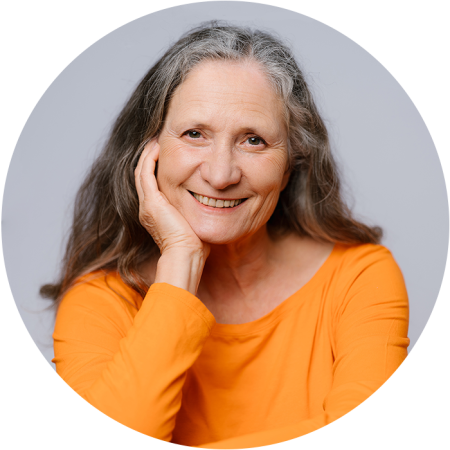
Isabelle Filliozat
Psychotherapist, writer, lecturer and trainer
Emotions, emotivity, public speaking
are familiar to me!
I gave my first classes on these topics as a teacher at the Centre de Formation de Formateurs du Conservatoire National des Arts et Métiers in 1982.
I have then led numerous trainings during thirty years in all sorts of sectors (hospitals, banks, insurance companies, industries, administrations…), before creating EIREM, École des Intelligences Relationelle et Emotionelle (School of Relational and Emotional Intelligences), structure through which I have transmitted my expertise and the approach I developed, the integrative empathic approach.
The team I have trained around me offers personal trainings, personal development actions, training to become life coach or parenting coach, or even trainer or psychopractitioner. To find english spoken family coach : see our list
As a mother of two children, I have delved into the realm of positive parenting, which entails non-violence and fostering the optimal development of children.
Following the keen interest brought about by my books in the domain of parenting, I created Les Ateliers Filliozat (Filliozat workshops), workshops for parents and professionals, to discover the empathic approach to children. My “parenting” team grows, and I have opened a new company, Filliozat & Co, for organizing conferences, workshops, and specific interventions among childcare professionals.
Leading figure for positive parenting in France, I was named Vice-President of the Commission of the 1000 First Days (from pregnancy to two years), initiated by President Macron’s government in 2019-2020.
I am a co-pilot and lecturer in the ‘Pathway of the First 1000 Days’ program at the University of Lille, and I am a member of the initiating committee of the ‘Marseille, Non-Violent City’ project.”
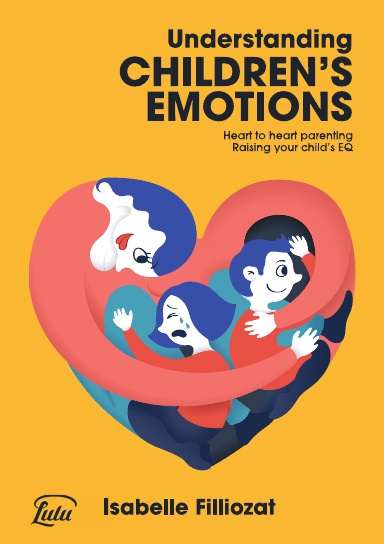
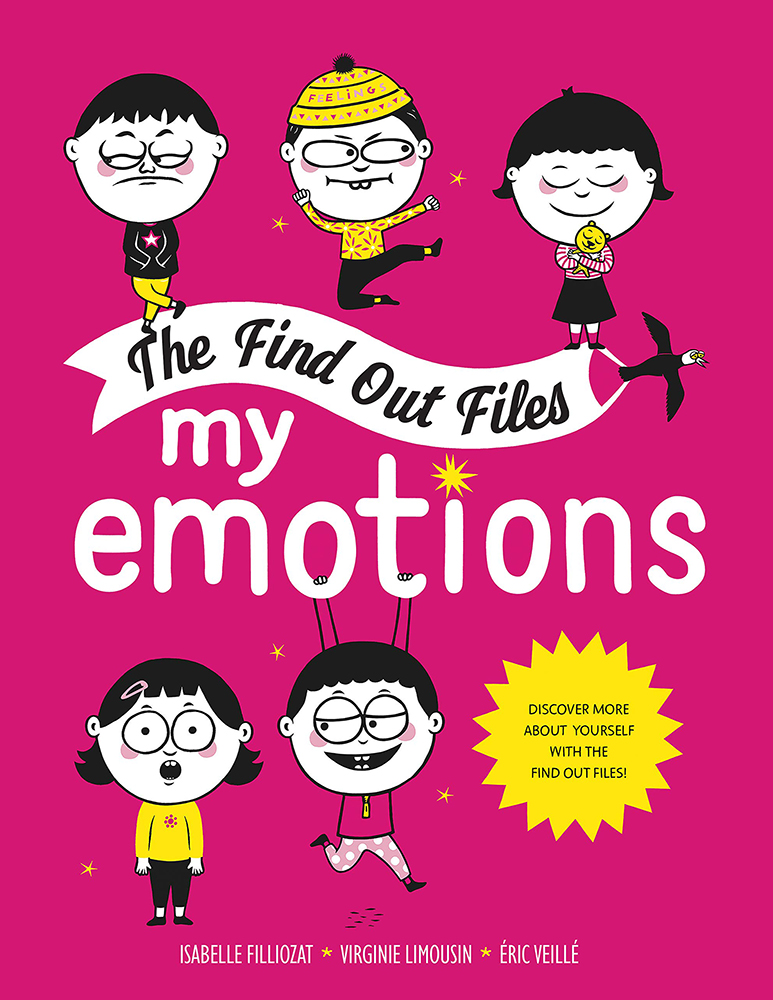
Today, I am author of more than fifty books written in French for adults and children. Translations are available in twenty-eight languages.


The following videos are subtitled in English:
To Heal the Planet, We Must First Heal the Humans. The Role of Early Emotional Regulation and Daily Practices in the Prevention of NCDs and Planetary Harm
by Isabelle Filliozat, Institute for Professional Development in emotional intelligence, psycho-social support, and parenting, France.
Noncommunicable diseases are accelerating worldwide, while mental health has reached unprecedented fragility, and social trust continues to erode. These are not isolated trends but symptoms of “diseases of civilisation” — patterns rooted in early lifestyle and relational environments. In alignment with the global health community’s shift toward upstream prevention across the life course, this intervention argues that the most powerful health, equity, and climate strategies begin in early childhood.
Drawing on Developmental Origins of Health and Disease (DOHaD), neuroscience, and epigenetics, Dr Filliozat emphasises that emotional regulation, secure attachment, healthy breathing, posture, movement, sleep hygiene, and oral self-care are not “soft skills” but biological and behavioural determinants of lifelong health. The body is the first school of regulation. Executive function and empathy emerge only when physiological safety is present. Caring for children’s bodies and emotions is therefore not an optional investment, but a foundational condition for long-term societal resilience.
We must create early childhood ecosystems where educators, health workers, and families collaborate to cultivate daily micro-practices that reinforce embodiment, resilience, and pro-social behaviour. Such environments do more than prevent obesity, diabetes, and oral disease — they strengthen empathy, reduce violence, and enable human beings to be capable of cooperation and future-oriented responsibility.
Climate adaptation is not only technological — it requires emotionally regulated humans able to stay engaged and act with care. By embedding emotional literacy, oral–respiratory health, and embodied self-regulation into the earliest years of life, early childhood education becomes a strategic lever for planetary resilience and intergenerational sustainability.

